
A main-OR friend tells you the L&D tech job is the move: “It’s mostly scheduled sections, you get out of neuro and call with Dr. Nightmare, and the nights are quieter.” You bid. Six weeks later you are first-scrubbing a stat crash section at 2:40 a.m., the NICU team is piling in, the circulating nurse is a traveler who has never seen this surgeon’s trays, and your phone is already buzzing because you are back on first call tomorrow.
People take OB tech roles to escape the main OR and then discover they traded one call model for another. Labor and delivery surgical work can be excellent. It is not a vacation from nights, blood, or politics. It is a smaller, faster, more intimate OR tied to a unit that does not think like a main board.
If you are considering a move — or you already took one and you cannot tell if you hate the specialty or just this hospital — here is the job as it actually runs.
What you are actually scrubbing
Most L&D surgical techs live in cesarean sections. That is the volume. You will also see, depending on the hospital:
- Repeat and primary C-sections, scheduled and unscheduled
- Stat and crash sections
- Postpartum hemorrhage returns, sometimes messy and fast
- D&C for miscarriage or retained products, which is a different emotional load than a joint room
- Tubal ligation after delivery or as a separate case
- Occasional cerclage, wound washout, or a hysterectomy that started as a section
- Rare but real: perimortem section, uterine rupture, placenta accreta spectrum in a center that keeps those patients
You are not doing spines and robots. You are doing the same family of procedures until you can set them up half asleep. The skill is speed, calm, and knowing when a “routine section” is no longer routine.
Main-OR techs sometimes look down on that list. They should scrub one crash section with a bad airway and a 90-second decision before they talk. The instrument set is smaller. The stakes are two patients and a room full of people who do not all report to the same charge nurse.
The pace is bursty, not a tidy board
Main OR has a board you can hate in advance. L&D has a board that lies. A scheduled 7:30 section can be fine. A laboring patient can turn into a section during your lunch. Twins, VBACs, and high BMIs change the setup. Night shift can be dead until it is not.
If you like a predictable list and a coffee at 09:10, you may dislike this. If you like being done with a case and resetting fast, you may like it more than a 6-hour spine.
Hospital volume matters more than the job title. A community hospital with 800 births a year is a different career than a center with 4,000 and a maternal-fetal medicine service. Low volume can mean you also float, cover main OR, or sit. High volume can mean you barely sit and you still take call.
Ask for birth volume, section rate (they know it), how many dedicated OB ORs, and how many techs are on at night. “We do some sections” is not a staffing plan.
Call in OB is its own animal
The myth is “no nights like main OR.” The reality is: many OB tech jobs are nights, evenings, or heavy call, because babies do not use the elective calendar.
Models you will see:
- Dedicated night tech in L&D, fewer people on days
- 12-hour shifts plus call for extras and vacations
- In-house call (you sleep in a room that is not really sleep)
- 30-minute call from home for a small hospital that does not keep a night tech
- Combined model: you work L&D days and take main-OR call, which is the worst of both if they spring it on you after hire
Stat section response is not the same as being on call for an appendix. When they call a crash, the room needs to be ready now. If you live 35 minutes away in a hospital that promised 20, you will be the problem.
Ask:
- Who is in-house overnight — tech, circulator, anesthesia, OB?
- What is the decision-to-incision target they actually talk about?
- How often was the night tech called in last month, if they are home call?
- Do you take call on your days off as first call?
- Are holidays rotated or does OB eat them because “the main OR is closed”?
If you took OB to get your life back, get those answers before you sign. A lot of techs leave main OR because of weekend call and then find out L&D weekends are busier.
You are working inside L&D culture, not just an OR culture
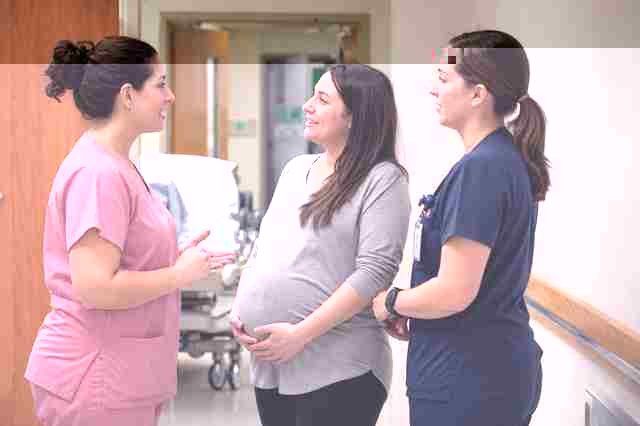
This is the part main-OR people underestimate. Your coworkers are labor nurses, postpartum nurses, midwives in some hospitals, OB residents, attendings who also have clinic, and a unit secretary who knows every family. The circulator may be an L&D nurse who learned to circulate sections, not a main-OR nurse who floated.
That can be warm. It can also be cliquish. L&D nursing culture is protective of patients and of itself. A tech who walks in from main OR and starts talking about “real surgery” will be frozen out by Friday.
Good habits:
- Learn their language (category II strip, pit, IUPC) enough to follow the urgency without pretending you are managing labor
- Treat the baby team as part of the sterile plan — where they stand, when they enter, what they need
- Respect that the nurse has been with this patient for 12 hours and you just walked in
- Keep your dark main-OR humor quieter until you know the room; families are sometimes a wall away
You will see joy that main OR does not have: a first cry, a partner crying, a teen mom who did it. You will also see stillbirths, anomalies, and sections that end with a quiet room. If you cannot do that work without shutting down for a week, this is not your specialty. That is not weakness. It is job fit.
Hospitals vary in how they support staff after a bad outcome. Ask if they have a process. Ask a tech what happened the last time. If they look at the floor, believe the floor.
Who tends to like this job — and who should stay in main OR
You may like L&D tech work if you:
- Want a tight case mix you can master
- Like urgency in short bursts
- Do not need robotics or a long specialty ladder to feel like you have a career
- Can work with nursing-led units without needing to win
- Want to stay in a hospital but leave a toxic main-OR service
You may hate it if you:
- Took it only to dodge nights (you probably will not)
- Get bored repeating sections
- Need a big instrument puzzle to stay interested
- Dislike family energy and want the anonymity of a main corridor
- Are looking for first-assist volume or a path into cardiac
New grads: OB-only training can box you in. If the hospital will cross-train you in main OR, that is a gift. If they want you OB-only forever in a low-volume shop, your next job’s manager will ask what else you have scrubbed. Be honest with yourself about whether you are specializing or hiding.
Experienced main-OR techs: your speed and trauma habits help in a crash. Your attitude will decide if they keep you. Come in as the person who can set up fast and stay kind. Do not come in as the person who is slumming.
Hospital vs birth-center-adjacent work, and cross-training
Most surgical tech OB jobs are in hospital L&D units with an OR. Freestanding birth centers do not staff CSTs the way hospitals do. If a posting says “women’s services,” read whether you will live in L&D, a GYN OR, or a float between GYN robotics and sections.
Women’s centers attached to large hospitals can offer GYN oncology, robotics, and urogynecology plus sections. That is a different job than a two-OR L&D. Ask where your locker is and who writes your time card.
Cross-training patterns:
- L&D tech who floats to main when the unit is quiet
- Main-OR tech who covers sections at night
- Shared pool — everyone is “surgical services” and nobody is excellent at the crash setup
The shared pool is how hospitals save money and how crash sections get sloppy. If you want to be good at this, you want a core group that does sections every week, plus enough main-OR time if you care about future mobility.
If you cross-train, get it in writing: which unit has priority when both boards are busy, and who you call when both charges want you. Otherwise you will be yelled at by two desks.
Pay, differentials, and the “easier job” discount
Some systems pay OB techs the same scale as main OR. Some quietly treat it as lighter work and get stingy with steps or differentials. Some pay a unit differential because nights and call are ugly.
Do not assume a pay cut is fair because “the cases are shorter.” Short cases with stat potential are still skilled work. If they try to place you lower on the scale than a main-OR tech with the same years, ask why. Sometimes it is a different union bucket. Sometimes it is habit.
Ask about:
- Whether OB call pays the same as main-OR call
- In-house sleep pay vs home call
- Whether you are sent home on low census more than main OR (birth volume swings)
- Tuition or cross-training time if you want to keep main-OR skills
How to test the job before you bid
Shadow a weekday scheduled section and a night or weekend if they will let you. Watch a turnover. Watch how they handle a labor patient who is “probably going to section.” Sit at the desk for 20 minutes and listen.
Questions for a staff tech, not the manager:
- How many sections did you do in the last two weeks?
- When was the last crash, and did the setup go well?
- Do you float to main? Who wins when both units need you?
- What do people quit over here — call, a surgeon, or the nursing culture?
If you are scanning OB and women’s-services CST ads, surgicaltechjobs.pro is an easy place to compare how hospitals label those roles. Still verify on the phone whether the job is sections all night or GYN days with the occasional add-on.
Your next move if you are about to bid
Write down why you want OB. If the sentence is “so I can stop taking call,” stop and get the call model in email before you bid. If the sentence is “I want this case mix and this unit,” go shadow nights.
Then ask for volume, in-house coverage, and whether you will be allowed to keep any main-OR skills. Take the job because you want the work, not because someone in the lounge called it easy. Easy is not a specialty. Sections at 3 a.m. are.